
RGA risk expands: heritage properties on the front line
Since July 1, 2026, the new clay shrink-swell subsidence exposure map has reshaped the climate risk landscape in France. More than 55% of the national territory is now considered exposed, significantly widening the affected areas. This regulatory shift has major implications, particularly for high-value heritage properties. These properties, often built on shallow foundations — meaning less than 80 centimeters deep — are particularly sensitive to changes in the water content of clay soils.
Historically, older buildings did not account for shrink-swell phenomena, which were not yet identified or understood with the scientific rigor available today. Their foundations, often adapted to the materials and techniques of their era, are frequently limited to just a few tens of centimeters in depth, sometimes barely below the frost line. This architectural feature, once a mark of local simplicity and sturdiness, is now becoming a major vulnerability factor as drought and rehydration cycles grow more intense.
The rising cost of Cat-Nat insurance — with the surcharge now at 20% and a general 8% increase in premiums — weighs heavily on coverage for these properties. While owners of standard single-family homes are already facing these increases, for owners of châteaux and historic residences, whose insured values are often very high, the financial impact is exponential. This situation highlights the need for specific expertise and tailored solutions to preserve this heritage, invaluable both culturally and economically.
Understanding the specific vulnerability of older buildings to RGA
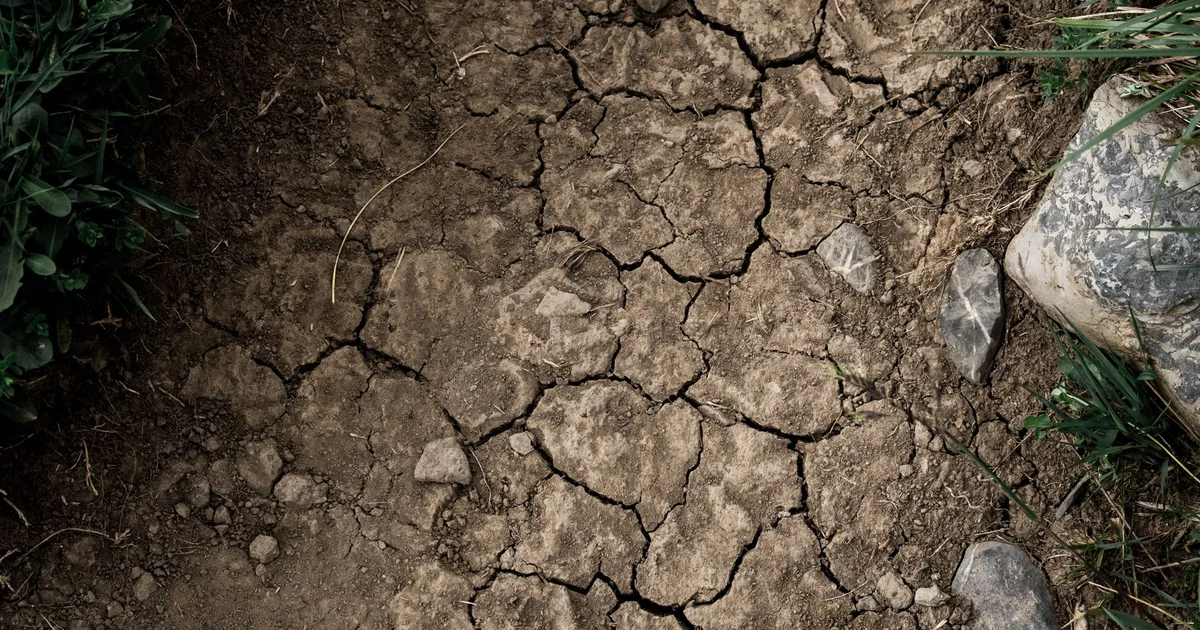
Clay shrink-swell subsidence is a geotechnical phenomenon in which clay-rich soils contract during drought and expand upon rehydration. These movements, even minor ones, place significant stress on building foundations, potentially causing cracks, wall separation and, over time, serious structural damage. The specificity of older buildings lies in the nature of their foundations and structure.
Unlike modern constructions, which benefit from foundations designed to reach more stable soil layers at depth or that incorporate rigid tie-beams, many historic buildings rest on shallow foundations, or even simple walls laid directly on the ground. These foundations are often made of rubble or stone bound with mortars that offer little resistance to differential movement. When the clay soil beneath these foundations undergoes volume changes, the building structure — often massive and rigid — is unable to absorb these deformations. Stress accumulates and manifests as damage characteristic of RGA.
Furthermore, the immediate surroundings of châteaux and exceptional properties — often surrounded by wooded parks and large planted areas — can heighten the risk. Trees near the foundations, through root evapotranspiration, can significantly dry out the soil locally, creating more intense and localized shrinkage zones. Combined, these factors create a 'perfect storm' of vulnerability for these buildings, whose historical and architectural value makes any intervention delicate and costly.
Cat-Nat and heritage: aid mechanisms in search of adaptation
Faced with the growing scale of RGA risk, the Cat-Nat insurance mechanisms are constantly evolving. The decree of April 23, 2026, cited in the France Épargne article, relaxed eligibility criteria for preventive works aid from the prevention fund. Welcome as this measure is, it runs up against the complexity and cost of interventions on heritage buildings. Restoring a château or manor requires specific skills, often rare materials, and techniques respectful of historical integrity, making work budgets incomparable to those of a standard single-family home.
The challenge for insurers and public authorities is to reconcile the need to protect these properties with the constraints of a compensation and prevention system originally designed for more standard construction. Assessments of older buildings are more complex, damage evaluations require in-depth knowledge of historic construction techniques, and repair solutions must imperatively preserve the architectural character. It is not just about stabilizing a structure, but doing so without altering an architectural masterpiece.
Prevention funds, though expanded, will need to be rethought to account for these specificities. It is crucial to support owners in carrying out precise diagnostics and prevention solutions that respect the integrity of these structures. The goal is not just to compensate after the fact, but to prevent the irreversible degradation of a collective heritage, helping to pass it on to future generations. This calls for a tailored approach, far removed from 'standardized' solutions designed for ordinary buildings.
Preventing and monitoring: strategies tailored to older buildings
Prevention is the cornerstone of protecting heritage properties from RGA. Rather than waiting for significant damage to appear and then undertaking heavy, costly repair work, the focus must be on anticipation. This means regularly monitoring the condition of soils and structures, as well as implementing measures to maintain a stable water balance around the foundations.
Approaches such as perimeter drainage or careful vegetation management can contribute to this effort. However, for older buildings, it is often preferable to opt for non-invasive, reversible solutions that do not alter the structural and aesthetic integrity of the building. Continuous soil monitoring, using sensors and predictive models, is becoming an essential tool. It allows moisture variations to be identified before they cause ground movement, making it possible to intervene in a targeted, preventive way.
The goal is to maintain more stable water conditions around the foundations, without disturbing the soil ecosystem or the historic structure. This is a long-term approach, respectful of the building and its environment, aimed at contributing to the longevity of these architectural treasures. Such an approach provides valuable data to objectify the risk, inform owners and experts, and guide decisions on prevention and, where necessary, repair.
The connection with TerraStab
Given the heightened vulnerability of heritage properties — particularly châteaux and exceptional estates with historically shallower foundations — soil moisture regulation solutions like the one offered by TerraStab provide a relevant approach. By continuously measuring soil moisture and temperature via buried sensors and using a predictive hydrogeotechnical model, TerraStab aims to maintain stable water content around the foundations. This approach, which requires no heavy construction work and aims to intervene before significant ground movement appears, supports a prevention strategy respectful of older buildings' integrity. It can effectively complement other strategies, offering valuable monitoring and targeted action to protect these unique structures.
Is your home in a clay area?
Enter your address and get your RGA risk level in 2 minutes — official BRGM data.