
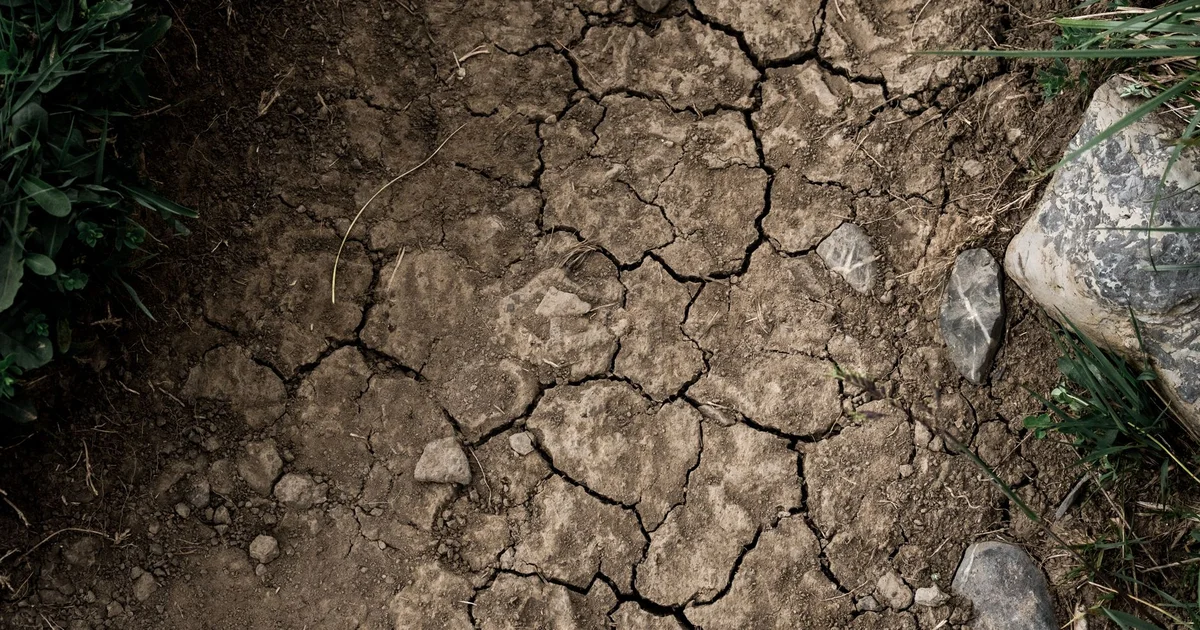
The expansion of the RGA risk zone: a growing national threat
Since July 1, 2026, the new national clay shrink-swell subsidence (RGA) exposure map has come into force, marking a major turning point in the management of this natural risk. This update significantly extends the affected areas, bringing the proportion of French territory potentially affected to 55%. A figure that highlights the growing scale of the phenomenon, exacerbated by increasingly frequent and intense drought episodes.
This expansion of risk is not without consequences. It places a growing number of properties under particular scrutiny, from single-family homes to exceptional properties such as châteaux, specifically mentioned in recent analyses. Clay soil, which reacts to moisture variations, is a fragile substrate for many buildings. Swelling during wet periods and shrinking during dry periods are natural cycles that, under the effect of climate change, are becoming major destabilizing factors for foundations.
Recent studies by public authorities and scientific institutions highlight the vulnerability of many types of construction, particularly those with shallow foundations (less than 80 cm deep), which are the most exposed to ground movement. The impact is felt not only on the structure of buildings, but also on their asset value and the peace of mind of their occupants.
Direct financial impact: rising insurance premiums and claim costs
The expansion of the RGA zone has immediate and significant financial repercussions for homeowners. The France Épargne article of July 7, 2026 highlights two major increases: a natural disaster (Cat-Nat) surcharge now raised to 20% and a general home insurance premium increase of 8%. These adjustments aim to cover a risk that is now better identified but also more widespread across the territory. This development underscores the growing pressure on the Cat-Nat compensation scheme, faced with a surge in drought-related claims.
The average cost of an RGA-related claim is estimated at €24,000 by the Caisse Centrale de Réassurance (CCR), a substantial amount that justifies these premium increases. However, beyond the raw figures, these increases raise the question of the long-term insurability of certain properties and households' ability to cope with these additional costs. Risk pooling, the foundation of the Cat-Nat scheme, is being tested by the pervasiveness of the RGA phenomenon.
Cat-Nat surcharge: increased to 20% of the home insurance premium for the Cat-Nat guarantee. General premium increase: an average increase of 8% across all home insurance policies. Average claim cost: estimated at €24,000 by the CCR.
The RGA Prevention Fund: revised eligibility criteria that change the game
An order dated April 23, 2026 changed the eligibility criteria for the RGA prevention fund, marking a significant shift in approach by the authorities. From now on, the crack-width threshold for support with prevention works rises from 1 millimeter to 5 millimeters. This measure, far from trivial, aims to focus public aid on structural damage deemed the most serious and urgent, but it risks leaving many homeowners without support when the first signs of deterioration appear.
This reversal calls into question the very philosophy of prevention. By raising the intervention threshold, the state appears to favor repairing significant damage over early detection and action. Cracks of 1 to 5 millimeters, although often non-structural at first, are valuable indicators of ground movement getting underway. Ignoring or postponing action on them can lead to worsening damage, making future repairs heavier and more costly. This means homeowners may have to wait for more advanced deterioration of their home before qualifying for aid.
This development highlights the need for homeowners not to rely solely on curative aid, which is often late and conditioned on significant cracks. Anticipation and the implementation of independent preventive solutions can help preserve the value of their property and limit far higher repair costs in the future.
Anticipation and proactivity: the keys to facing the RGA risk in 2026
The year 2026 marks a turning point in RGA management in France. With risk extended to more than half the territory, rising insurance costs, and relaxed prevention aid criteria, individual homeowner responsibility is reinforced. Waiting for significant cracks (over 5 millimeters) to appear before acting can prove less effective or more costly, both financially and structurally. The consequences of prolonged waiting can be devastating, ranging from property devaluation to safety issues.
In this context, adopting a proactive approach is essential. This means first understanding the risk level of one's home and land, then exploring existing solutions that make it possible to anticipate and prevent damage before it becomes irreversible. Knowledge of the soil, monitoring of its water behavior, and the implementation of regulation measures can become essential tools for helping to secure one's assets.
While heavy underpinning techniques remain an option for buildings with major, established structural damage, they are costly and intrusive. Homeowners are now encouraged to consider complementary, preventive approaches aimed at maintaining the integrity of the building by addressing the root cause of ground movement: variations in clay soil moisture.
The connection with TerraStab
Faced with this significant expansion of the RGA risk, rising insurance costs, and changing aid eligibility conditions, anticipation is becoming an essential step. It's in this context that TerraStab offers a soil water regulation approach. Thanks to buried sensors continuously measuring soil moisture and temperature and a predictive hydrogeotechnical model, the TerraStab solution aims to maintain more stable water conditions around foundations. This approach makes it possible to monitor soil conditions and help prevent shrink-swell movement before major damage appears, thereby helping to preserve the structural integrity of buildings. It offers an alternative without heavy works to classic underpinning techniques and can complement an existing risk analysis. For homeowners wishing to assess the risk to their property, a free RGA diagnosis is available online in a few minutes.
Is your home in a clay area?
Enter your address and get your RGA risk level in 2 minutes — official BRGM data.
Learn more
- →RGA: Drought is now the #1 Cat-Nat risk for French homes
- →RGA prevention fund: 2,000 applications filed, 19 processed — the number the government won't own up to
- →RGA hits the middle class hardest — and the system makes them pay more
- →June 12, 2026 Cat-Nat order: 107 municipalities recognized, 474 denied — 2025 drought